 4:07 AM
 wedop
wedop

woodworking wood finishes
How to finish wood: 6 dos you’ll read in this ebook: 1. do learn the 6 types of wood finishes. ranging from wood finishing oil, such as linseed oil wood finish, to industrial-grade 2-part finishes, you will find a lot of variance in what’s available and how to use it. once you know what to look for, it’s easy to decode your options! 2.. Don't be intimidated by the finishing process. we'll guide you to the right finish for your project—polyurethane, lacquer, shellac, and more—and show you how to get picture-perfect, repeatable results. wood and supplies . lumber and sheet goods home woodworking how-to finishes and finishing. oil vs. film, choose your finish. Using oils for finishing wood occupies quite a prominent place in woodworking. oils like teak oil, boiled linseed oil, and tung oil form a majority of the oils that woodworkers use. each oil has subtle differences that make them a preferred choice. these finishes bring out the natural texture of wood. both finishes are easy to apply, but you.
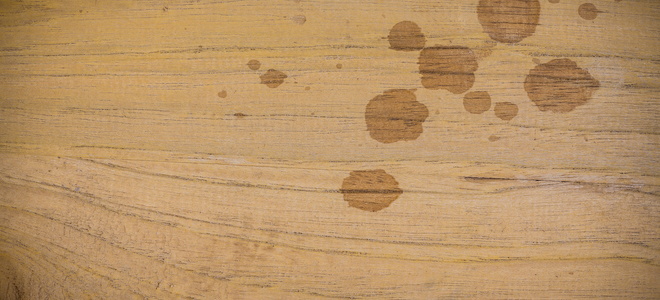

woodworking wood finishes
Without a finish, wood can dry, crack and deteriorate or – if exposed to moisture – swell so that drawers and doors no longer work. a good finish prevents swelling and cracking, protects against stains and enhances the appearance of the wood. woodworking faq: clear finishes. learn how to choose and use wood stains and clear protective. Wood finishing refers to the process of refining or protecting a wooden surface, especially in the production of furniture where typically it represents between 5 and 30% of manufacturing costs.. finishing is the final step of the manufacturing process that gives wood surfaces desirable characteristics, including enhanced appearance and increased resistance to moisture and other environmental.

